Visual Archive
For me, photography is a way of inhabiting space—a means of reading its cracks, its hidden geometries, and the light as it carves through concrete. This archive is the result of years spent navigating the intersection of architecture, urban landscapes, and those forgotten details that most people are too busy to notice.
No heavy-handed post-production, no digital trickery to hide behind. Just the eye, the camera, and the uncomfortable honesty of the frame.

Ephemeroptera
Ephemeroptera is a curated archive of fine street art — a visual documentation project launched in February 2025. It explores the ephemeral nature of urban art, capturing works that appear, transform, and disappear in the city's fabric. The project combines photography with contextual storytelling, offering a deeper look at the spaces where art and public life intersect. Curated and developed together with my partner, it's an ongoing attempt to preserve the fleeting — one frame at a time.
Visit the archive at ephemeroptera.art →Geometries & Vanishing Points
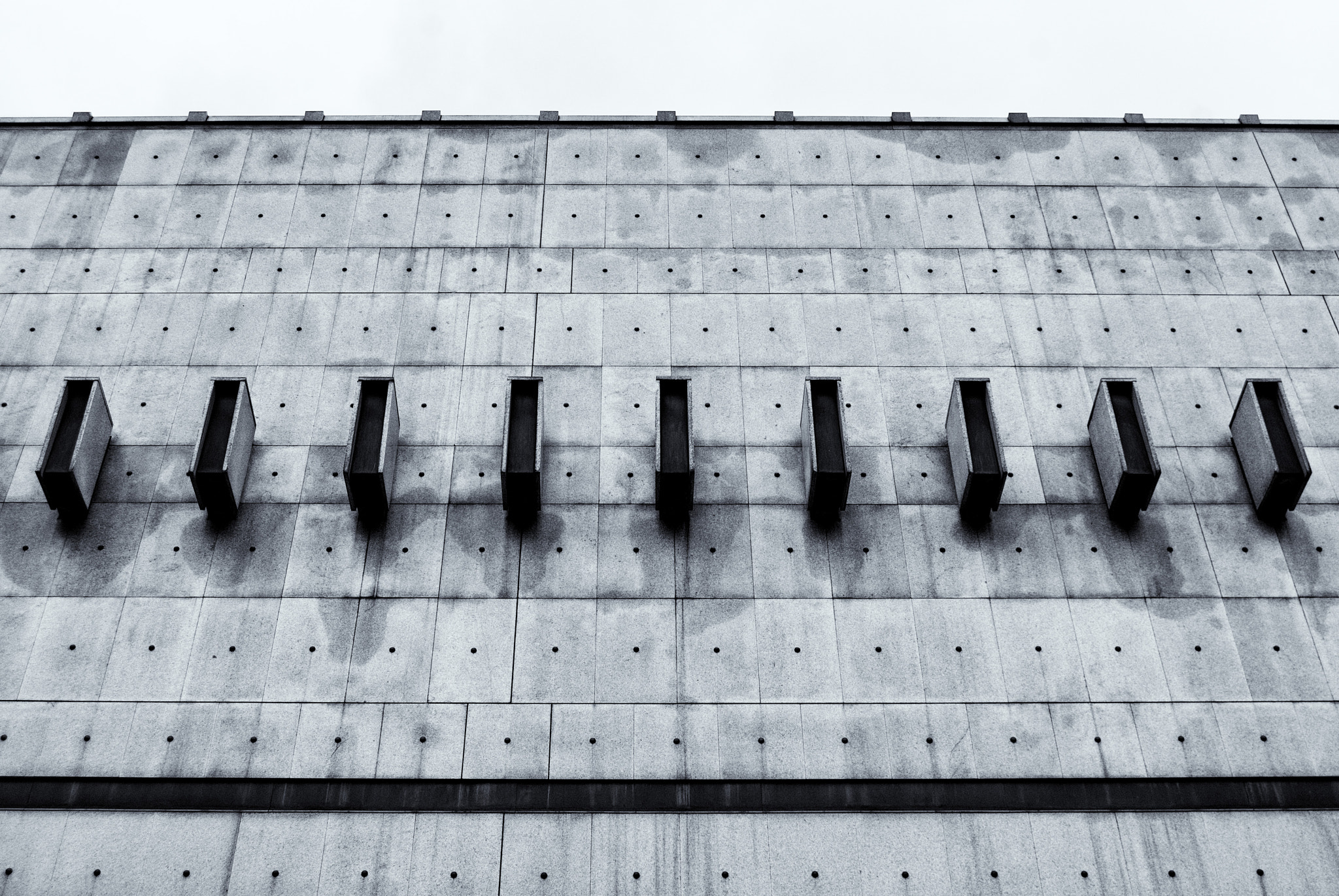
A study on lines, perspectives, and urban structures. Industrial architecture, historic buildings, metropolitan views where geometry becomes language.
View full gallery →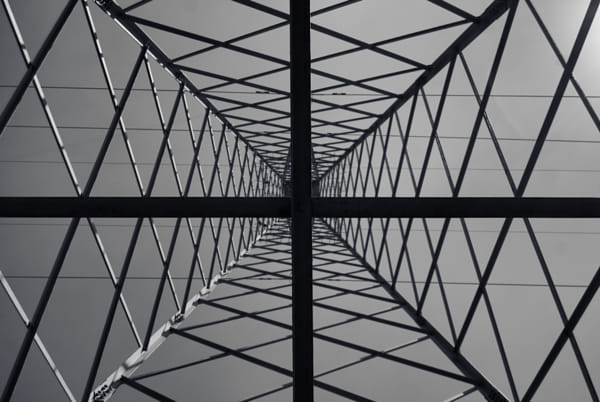
Urbex · Abandoned Spaces
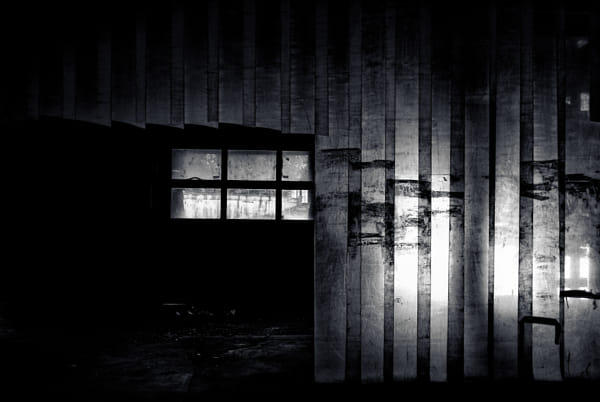
Forgotten places, abandoned factories, decaying architecture. A journey through silence and the beauty of decay.
View full gallery →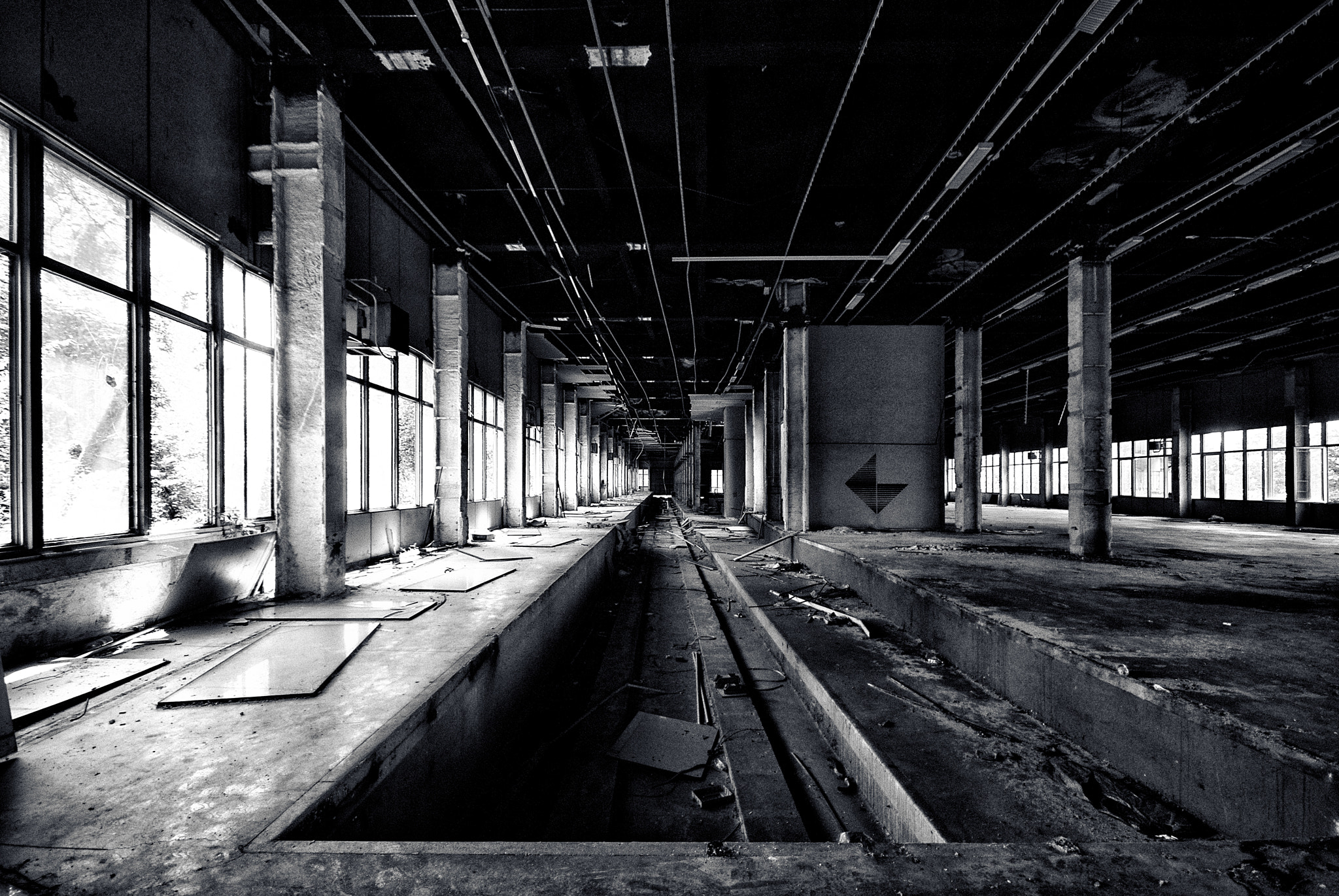
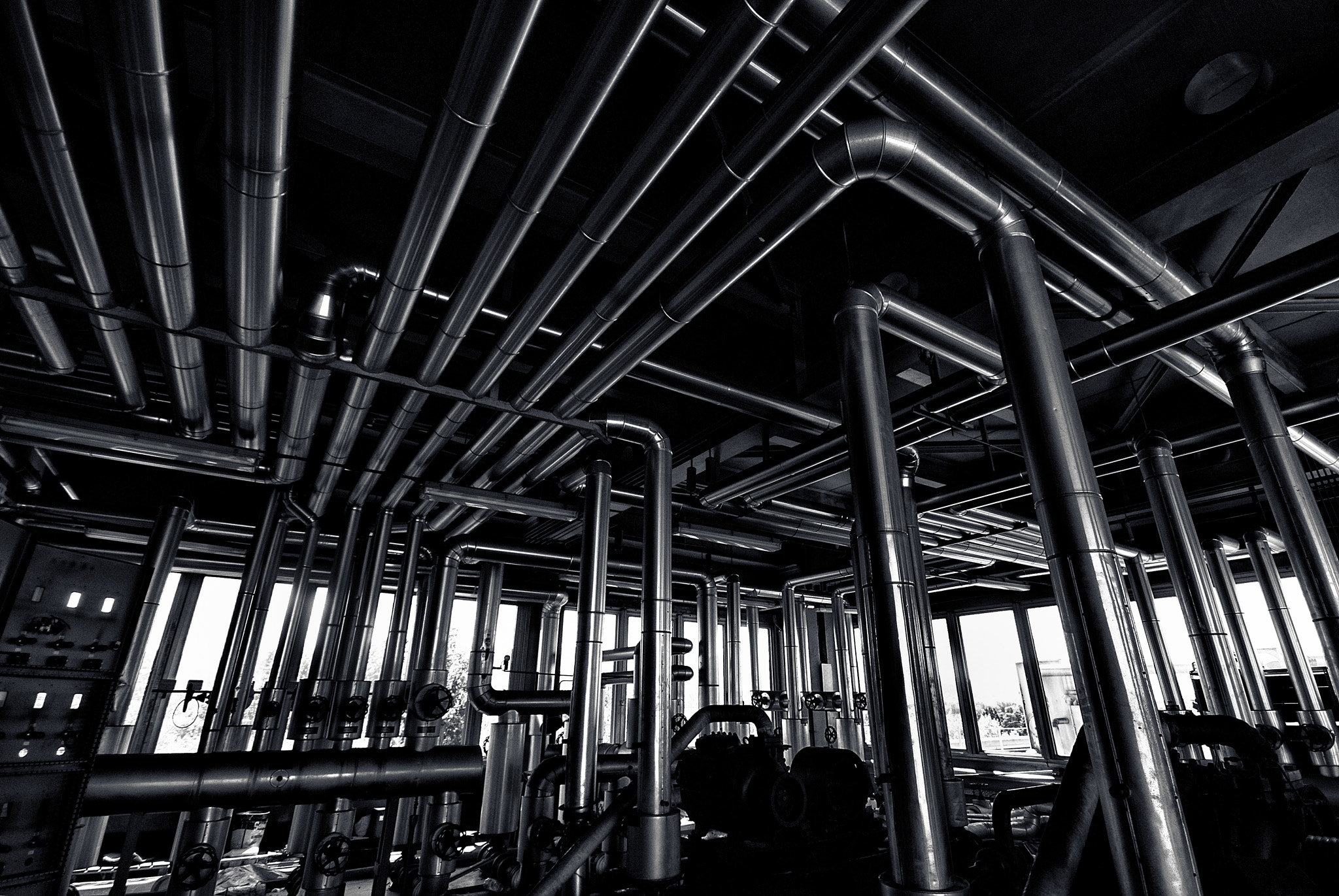
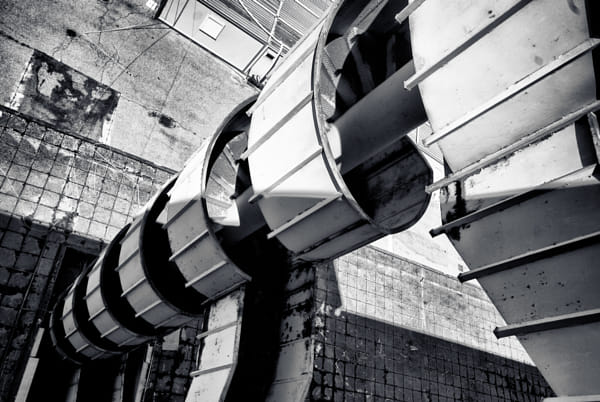
Photo Books
Three editorial projects collecting visions and fragments of my work.
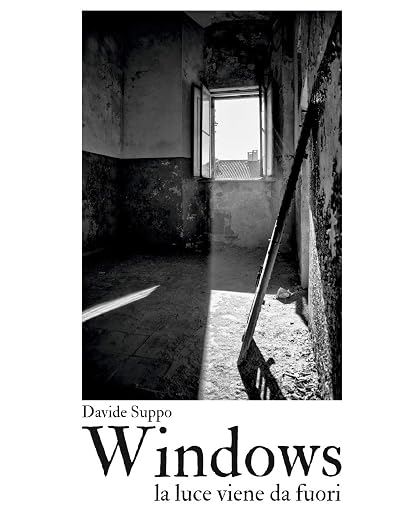
Windows
Skewed stairs, crumbling walls, and the deafening silence of factories where steel has surrendered to roots. There is no artifice in this theater: the light is not staged; it simply happens.
Discover on Amazon →
Les Tribell: exotic dancers
A photo reportage on the tribal/burlesque dance duo Les Tribell, active in Turin from 2014 to 2016.
Discover on Amazon →
Verde clandestino
A project exploring the vitality of vegetation in spaces forgotten by the city. My images accompany texts by Robert Macfarlane and many more.
Discover on Amazon →"I've always viewed the camera as the ultimate perspective machine." It's a tool for breaking down the chaos of the environment into something manageable, something that doesn't just sit there screaming for attention. When I look at an abandoned industrial site or a collapsing structure, it can be visually jarring—anxiety in physical form. But if you re-measure it, digest it, and force it into the logic of Euclidean geometry, it suddenly becomes psychologically sound. It starts to make sense.
I don't care for the "skin" of things. By stripping away color, I'm not just being aesthetic—I'm looking for the bones. I prefer black and white because it gives me room to maneuver with light and shadow without making the final result feel like a cheap artificial construct.
My work isn't about documenting a reality that everyone else agrees on. It's an exercise in decentralization. I take the lines of a building or the sprawl of a landscape and rearrange them until they fit my own internal composition. It's a form of therapy, a necessary truce with a world that's constantly trying to sell me a version of reality I don't buy.
This isn't an advertisement for a "happy life." It's an exploration of what's left when you stop pretending that the world is anything other than a collection of shapes, memories, and the occasional, sharp glint of light on a crumbling wall.
Browse the full portfolios and photographic projects at: